

Nutrition has always kept its value livingly, and various opinions have been written or expressed on a healthy life by many people are competent in their field or not. There is so much information at this point that it is almost impossible not to get confused. I think the concept of “drowning in the ocean of information” helps to explain this situation. In addition; If we add the speculative explanations brought by modern culture, let’s get out of the way.
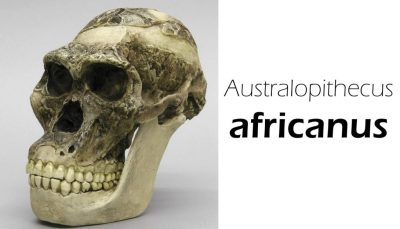
If we talk about the nutritional behaviors of people in the evolution process; Since 2.5 million years ago or from the Australopithecus monkey, called the South Monkey in East Africa, lived to present, people have consumed various food sources. In other words, they tried to survive by consuming whatever they found around them. In this process, people have shifted from herbivorous diet to carnivorous diet over time. The transition from hunter-gatherer to settled life started when agriculture entered the feeding cycle between 9500-8500 BC.
Zooming to the topic in detail, especially, the question of whether humans are omnivores (both carnivores and herbivores) or herbivores has been seriously discussed in the scientific world and studies are being carried out in this direction. The vegan / vegetarian diet, which advocates that people are more suitable for a herbivorous diet, has emerged as an increasingly popular philosophy in recent years. In fact, the starting point of this philosophy is claimed dating back to 500 BC. By the way, i want to share the information, as well, that the philosophy of Buddhism also limits people’s use of animals.
However, it should be noted in our recent history that this trend was initiated by Donald Watson in 1944 and had a right of association status in 1979. Moving to the definitions of vegan and vegeterian nutritions, it is possible do separate the difference between vegan and vegeterian people. While vegan persons prefer not to eat any animal based food and not to use animal based products, those who advocate vegetarian philosophy consume animal based food such as dairy products and egg, excluding all types of meat.
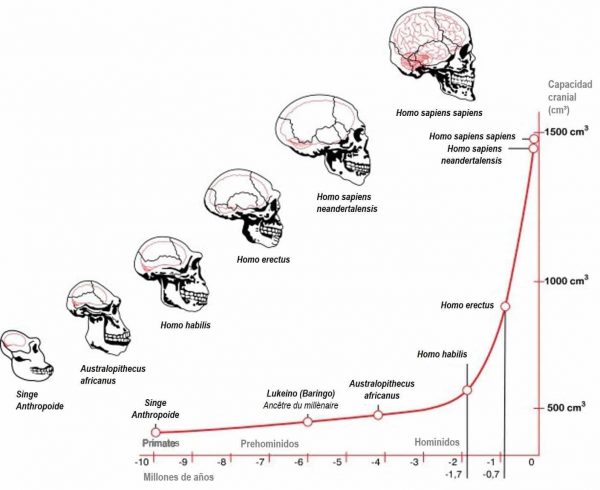
While the view, which the brain volume reaches from 400 cm3 to 1600 cm3, in other words from Australopithecus to Homo sapiens, as a result of meat consumption, defends that humans are a omnivore species, another approach that contradicts this supports that brain development actually starts with the invention of fire. As I said before, there are many studies with two opposing views on these issues. You can find brain development in human evolution in the infographic below.
Another issue discussed by these two views is which one is harmful: vegetable-based or animal-based nutrition. To explain this, I think it would be more beneficial to move forward with the most frequently asked questions.
– It is imperative that people consume animal based products (animal-derived protein). Otherwise, they cannot go to a healthy life.
This claim is perhaps one of the most popular issues. So I’ll have to go into a little more detail here. If the explanations in this direction, which we encounter especially in popular media tools, are taken into account, passing it through superficial can cause false perceptions.
Humans need proteins inherently and proteins are made of amino acids. However, there are amino acids that cannot be synthesized (essential amino acids) in human body, so we have to take them out. These are;
- Arginin (only is synthesized in growing age, not produced in adulthood)
- Histidine (only is synthesized in growing age, not produced in adulthood)
- Leucine
- Isoleucine
- Valine
- Lysine
- Methionine/Cysteine
- Phenylalanine/Tyrosine
- Threonine
- Tryptophan
The important thing is to get these amino acids from regardless of where sources come. In other words, as long as they are taken from plants or animals, there is no problem in terms of protein needs. While some amino acids may be more in those with vegetable origin, others have more in animal origin, as well.
For example, there are studies showing that plants ,such as nuts and peanuts, in terms of tryptophan source are richer than animal products. It is not difficult to find similar comparisons in scientific channels. Therefore, the answer to the above question is that individuals who prefer a herbal diet can lead a healthy life. I’m sure some questions have arisen in your mind. Since this subject has a long and controversial structure, it would be more useful to explain it in a series of articles.